Resource Hub
Planning celebrations and entertainment for disability support groups requires thoughtful consideration of every participant's comfort and wellbeing — and sensory-friendly design is one of the most impactful places to start. Whether you're organising a small gathering or a larger community event, the guidance in this article will help you create inclusive, joyful experiences for everyone involved.
Understanding Sensory Sensitivities in Disability Support Group Settings
When coordinating celebration activities for disability support groups, one of the first and most essential steps is developing a genuine understanding of sensory sensitivities. Many participants — including those with autism spectrum disorder, ADHD, anxiety disorders, sensory processing disorder, or acquired brain injuries — may experience everyday stimuli in ways that feel overwhelming or distressing.
Sensory sensitivities can affect any of the major senses, and their impact varies significantly from person to person. Common triggers in celebration environments include:
- Sound: Loud music, sudden noises, crowd chatter, or microphone feedback
- Light: Flashing lights, bright overhead fluorescents, or strobe effects
- Touch: Unexpected physical contact, certain fabric textures, or crowded spaces
- Smell: Strong perfumes, food odours, or cleaning products
- Visual clutter: Busy decorations, rapid movement, or overstimulating displays
Understanding these sensitivities is not about limiting the celebration — it's about expanding access to joy. Creating an Autism-friendly environment, for example, benefits far more participants than just those on the autism spectrum, since many sensory accommodations are universally appreciated.
Before planning any event, support group coordinators should conduct informal needs assessments — simple conversations or brief surveys with participants and carers — to understand which sensory factors matter most to their specific group. Every group is different , and what works beautifully for one community may need adjustment for another. This person-centred approach forms the foundation of every sensory-friendly activity and entertainment choice discussed throughout this article.
Planning a Sensory-Friendly Celebration Environment
Creating the right environment is the foundation of any successful sensory-friendly celebration. For disability support groups, thoughtful planning of the physical space can mean the difference between an event that feels inclusive and welcoming and one that becomes overwhelming for participants with sensory sensitivities.
When setting up your celebration space, consider the following key environmental factors:
- Lighting: Avoid harsh fluorescent lighting, which can trigger discomfort or distress for many individuals. Opt for soft, warm, dimmable lights and minimise flickering or strobing effects entirely. Natural light, where available, is often the most comfortable option.
- Sound management: Keep background music at a low, consistent volume and choose calm, predictable audio over sudden or unpredictable sounds. Designate a quiet zone within the venue where participants can retreat if they become overstimulated.
- Crowd and space planning: Avoid overcrowding by setting clear capacity limits. Open, well-organised layouts with clearly defined activity zones help reduce anxiety and allow participants to move freely and predictably through the space.
- Scent considerations: Strong perfumes, heavily scented decorations, and certain foods can be distressing for individuals with heightened olfactory sensitivity. Opt for unscented or lightly scented supplies wherever possible.
- Texture and tactile comfort: Provide a variety of seating options, including chairs with back support and softer alternatives, to accommodate different physical and sensory needs.
Preparation and communication are equally important. Share a detailed schedule with attendees in advance so participants know exactly what to expect. Visual timetables and social stories can also help individuals feel more confident and at ease before the event begins.
A well-planned environment signals to every participant that their comfort and wellbeing genuinely matter — setting a positive, respectful tone for the entire celebration.
Low-Stimulation Activities and Entertainment Ideas
Creating meaningful celebrations for disability support groups doesn't require loud music, flashing lights, or crowded venues. In fact, some of the most memorable events are built around calm, intentional experiences that allow every participant to feel genuinely included and comfortable. The key is to plan activities that engage the senses gently rather than overwhelm them.
Here are some tried-and-tested low-stimulation activity ideas that work beautifully for sensory-friendly celebrations:
- Tactile art stations: Set up tables with clay, fabric swatches, textured paper, or sand trays. These hands-on activities encourage creativity without noise or visual clutter.
- Soft music listening corners: Curate calming playlists at low volume — think acoustic, nature sounds, or gentle instrumental tracks — in a designated quiet zone.
- Guided breathing and movement sessions: Simple yoga stretches or mindfulness activities led by a familiar support worker can anchor the group and reduce anxiety.
- Nature-based activities: Potting plants, gentle gardening, or flower arranging offer soothing sensory input and a satisfying sense of achievement.
- Storytelling and read-alouds: Choose short, illustrated stories or personal narratives shared in a calm, predictable format that participants can follow easily.
- Adaptive games: Slow-paced board games, puzzles, or card matching activities promote connection without competitive pressure or sensory overload.
Just as a well-run business thrives when the right systems and support are in place — much like how organisations trust expert guidance when they need a reason to use a business broker — disability support coordinators benefit from having a clear framework for planning inclusive events. Structuring activities with predictable transitions, visual schedules, and clearly defined quiet spaces ensures every participant feels safe to engage at their own pace.
For further inspiration and planning resources, the Blog offers a range of articles to help organisations deliver better outcomes for the communities they serve.
Inclusive Games and Creative Participation Options
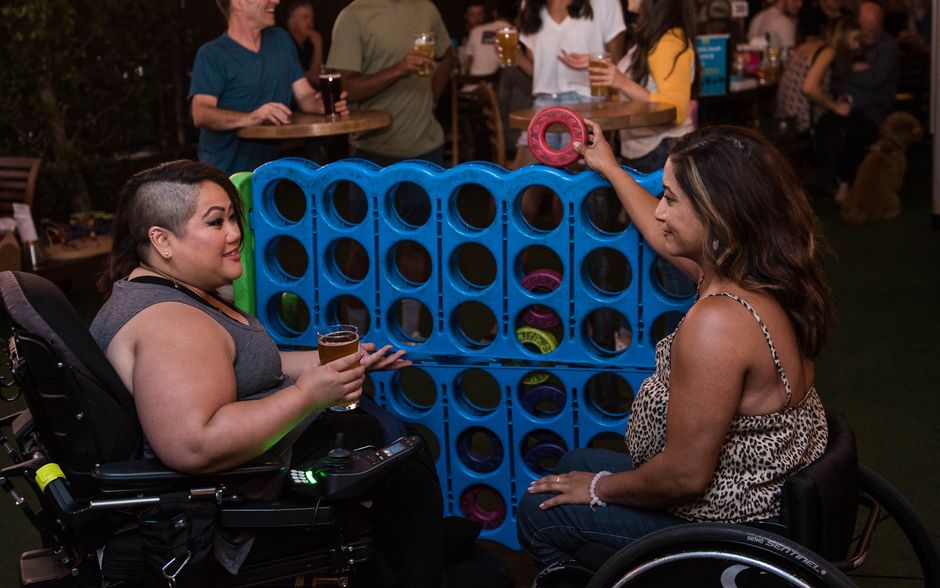
Designing games and creative activities for disability support group celebrations requires thoughtful planning that prioritises accessibility, choice, and genuine enjoyment for every participant. The goal is never forced participation but rather creating an environment where everyone can engage at their own comfort level and in their own way.
Consider offering a mix of structured and unstructured activities so individuals can self-select based on their sensory needs and energy levels on the day. Some strong options include:
- Collaborative art stations: Large shared canvases, stamping, or collage-making allow non-verbal participation and welcome varying motor skill levels without pressure to produce a specific outcome.
- Adapted board and card games: Choose games with large-print cards, simplified rule sets, or tactile pieces. Offer extended turn timers so participants never feel rushed.
- Sensory-friendly movement activities: Gentle rhythm circles, seated dance, or bean bag tosses provide physical engagement without overwhelming noise or unpredictable crowding.
- Quiet creative zones: Colouring sheets, playdough, sand trays, or jigsaw puzzles give participants a low-stimulation creative outlet that requires no social interaction if preferred.
- Choice-based storytelling: Simple group storytelling with picture cards lets participants contribute a word, a gesture, or simply listen — all equally valued.
Importantly, avoid competitive scoring formats that can create anxiety or exclusion. Instead, frame activities around shared achievement — everyone contributes to one collective result, which builds community without winners or losers.
Staff and volunteers play a key role here. Brief them in advance on how to offer assistance without being intrusive, how to recognise signs of sensory overload, and how to quietly redirect a participant to a calmer activity if needed. Well-prepared facilitators make the difference between an activity that feels genuinely inclusive and one that simply looks inclusive on paper.
Food, Music, and Decoration Considerations for Sensory Comfort
Creating a truly inclusive celebration means thinking carefully about the sensory environment from every angle — including what guests smell, taste, and hear. For disability support groups, thoughtful choices in food, music, and décor can make the difference between a joyful experience and an overwhelming one.
- Food and Catering: Offer clearly labeled options that are free from strong spices, artificial dyes, and pungent aromas. Provide familiar, mild-flavored foods alongside a variety of textures, and always accommodate dietary restrictions and sensory food aversions with visible, easy-to-navigate serving stations.
- Music and Sound: Keep background music at a low, consistent volume rather than using sudden sound effects or live amplification. Instrumental or acoustic music tends to be far less jarring than tracks with heavy bass or unpredictable tempo changes. Designate a quiet room where guests can step away from music entirely if needed.
- Decorations and Lighting: Avoid flashing lights, strobes, or highly reflective surfaces. Opt for soft, warm lighting and muted color palettes rather than bright, clashing patterns. Balloons, while festive, can create anxiety due to the risk of sudden popping — consider fabric bunting or paper decorations as gentler alternatives.
- Scent Awareness: Request that staff and volunteers avoid wearing strong perfumes or colognes. Use unscented cleaning products before the event, and keep floral arrangements minimal or artificial.
Small, intentional choices in these areas show attendees that their comfort is genuinely valued and prioritized.
Planning sensory-friendly celebrations takes preparation, empathy, and a willingness to look at every detail through the eyes of those who experience the world differently. From venue layout and entertainment choices to food, music, and décor, each decision contributes to an environment where every participant feels safe, included, and free to celebrate. Just as a skilled business broker considers every stakeholder's needs to achieve the best possible outcome, event organizers who take a thorough, people-first approach will create celebrations that leave a lasting, positive impression on everyone involved.
Want to buy or sell a business?
Get Your Business Sold!